Get the job done

Manufacture your application through a APR service bureau.

Let’s bring your project to life

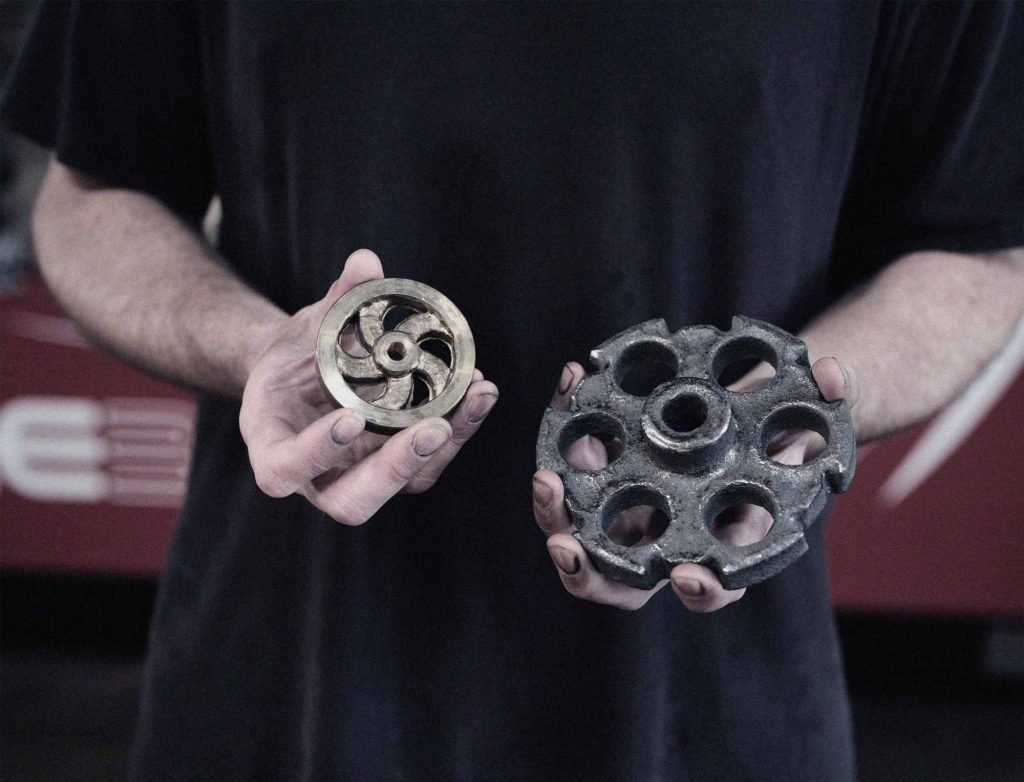
Proven success. Expert technicians. State-of-the-art APR equipment. Our partner network is ready to help you efficiently manufacture hard-to-get metal parts in hours, not days—without purchasing a printer.
  • Ensure on-demand, sustainable manufacturing
  • Maximize uptime and minimize risk
  • Cost-effectively produce small runs

About making your application a reality

Proven success. Expert technicians. State-of-the-art APR equipment. Our partner network is ready to help you efficiently manufacture hard-to-get metal parts in hours, not days—without purchasing a printer.
Inquire with HAMR about your project needs.

Become a partner

Interested in becoming a service bureau and joining the SPEE3D partner network? Contact us today and learn more about taking your place on the frontline of metal additive manufacturing innovation.
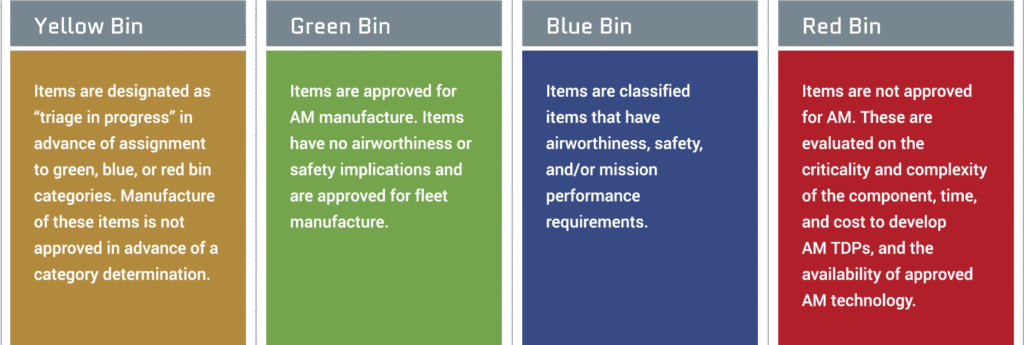
The military approach to additive manufacturing (AM) offers critical insight for commercial manufacturers hoping to better understand and more effectively navigate legal regulations and industry standards.
The U.S. Marine Corps uses a color-coded bin system that serves as an excellent model. And by understanding how the branch uses it to assess the risk levels of metal parts, you can better identify—and resolve—potential Intellectual Property challenges.

In many countries, IP rights granted to spare parts are limited as patent protection typically applies to machines rather than to spare parts.

The doctrines of ‘exhaustion’ and ‘implied license’ allow the purchaser of a patented product to use, re-sell, and repair that product without the patent holder’s permission. However, it’s crucial to ensure that additive-manufactured parts are not subject to any patents or other IP protections. Consulting a legal professional and conducting thorough research can help you avoid any legal issues.

It’s also important to note that design protection and the ‘right to repair’ may vary from country to country, with some providing greater leniency for repairing and maintaining complex products.

In the U.S., ‘right to repair’ bills are under consideration but have yet to become law. Meanwhile, though copyright law typically doesn’t protect mass-produced machine parts or functional items, infringement may occur if OEM drawings are used to create the spare part.

When it comes to legal compliance, the most critical factor to consider is your equipment supplier contracts. Ensuring that your contracts allow for the use of AM technology for spare parts production and do not infringe upon IP rights can help you maintain a compliant manufacturing process.
By carefully navigating IP and legal concerns in collaboration with your equipment supplier and legal counsel, you can harness the potential of metal AM to produce spare parts while minimizing the risk of legal issues.

Contact Us

We’re ready to help you bring your metal additive manufacturing application to life. Let’s get started.

Machinery Studies

See our applications in action.

Careers Center

Get everything you need to cover the APR story.

Scroll to Top

Industries

Contact

Contact Us

World headquarters Melbourne, Victoria, Australia Research & development Darwin, NT, Australia

Follow Us